Emergency Sewer Line Repair in Azusa, CA: When Every Drain Backs Up at Once
The toilet gurgles, the tub fills when the washer drains, and a floor drain starts to bubble. When several fixtures react together, the problem is usually the main line, and sewage can reach the floor within minutes.
This page covers the first ten minutes, how to find out whose pipe is failing, what a camera inspection should show you, and how the repair choice is made.
Call (626) 687-0217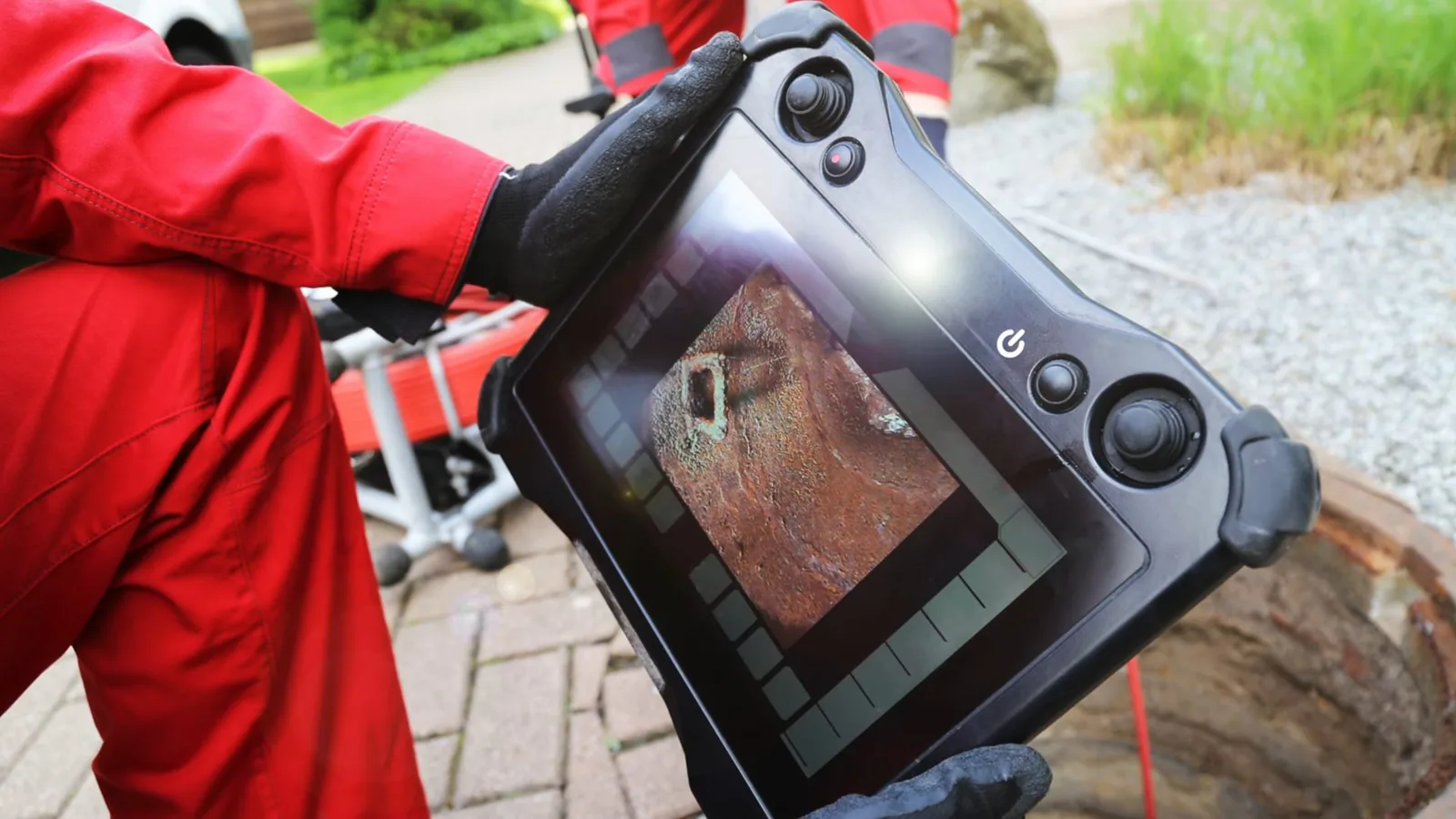
Sewage is coming up: the first ten minutes
Then make two calls: our dispatch line, and, for a backup that may be in the street main, the city. Photograph the overflow before cleanup. If sewage has reached floors or walls, ask the plumber about sewage cleanup and drying once the flow is stopped.
Whose pipe is it? The lateral question
The street main
The sewer in the street is maintained by the city's Public Works Department. When neighbors have the same backup, or a camera shows the blockage past your property line, call Public Works at (626) 812-5254, Monday to Thursday, or Azusa Police at (626) 812-3200 after hours.
The lateral serving your house
This is the pipe from your house to the main. Azusa's pages we found do not state who owns it or where the owner's part ends, so do not assume either way. Ask Public Works before you agree to a repair that may not be yours, and ask your plumber to record where on the line the fault is.
What a camera inspection should give you
A camera on a cable is the one tool that turns a sewer repair from a guess into a plan. Before any digging, ask for these results:
- Video you can keep, with the footage showing the cleanout and the fault.
- The location and depth of the problem, measured from a fixed point such as the cleanout.
- The cause: roots, a cracked or offset joint, a sagging section, scale or an object.
- A written finding the plumber can attach to a quote.
Ask for the camera before agreeing to replace anything. A clog that returns every few months and a camera that shows a clean pipe point to different fixes than a clog caused by a collapsed joint.
Repair, line or replace: how the choice is made
| Approach | What it involves | Questions to ask |
|---|---|---|
| Spot repair | Dig to the fault and replace a short section. | How deep is it, what lies above it and what gets restored? |
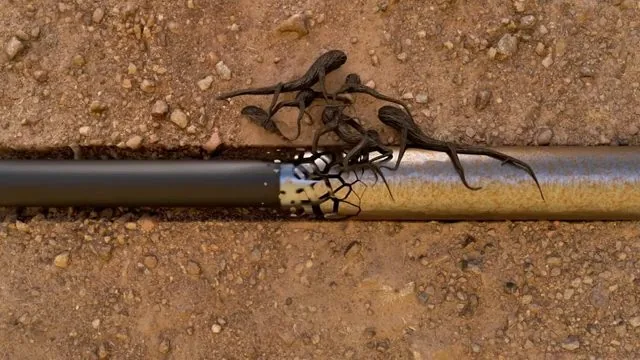
| Lining | Trenchless pipe lining, also called relining, cures a resin liner inside the existing pipe. | Is the pipe round and continuous enough to accept a liner? |
| Pipe bursting | A new pipe is pulled through while the old one is broken apart. | Where are the entry and exit points and what do they disturb? |
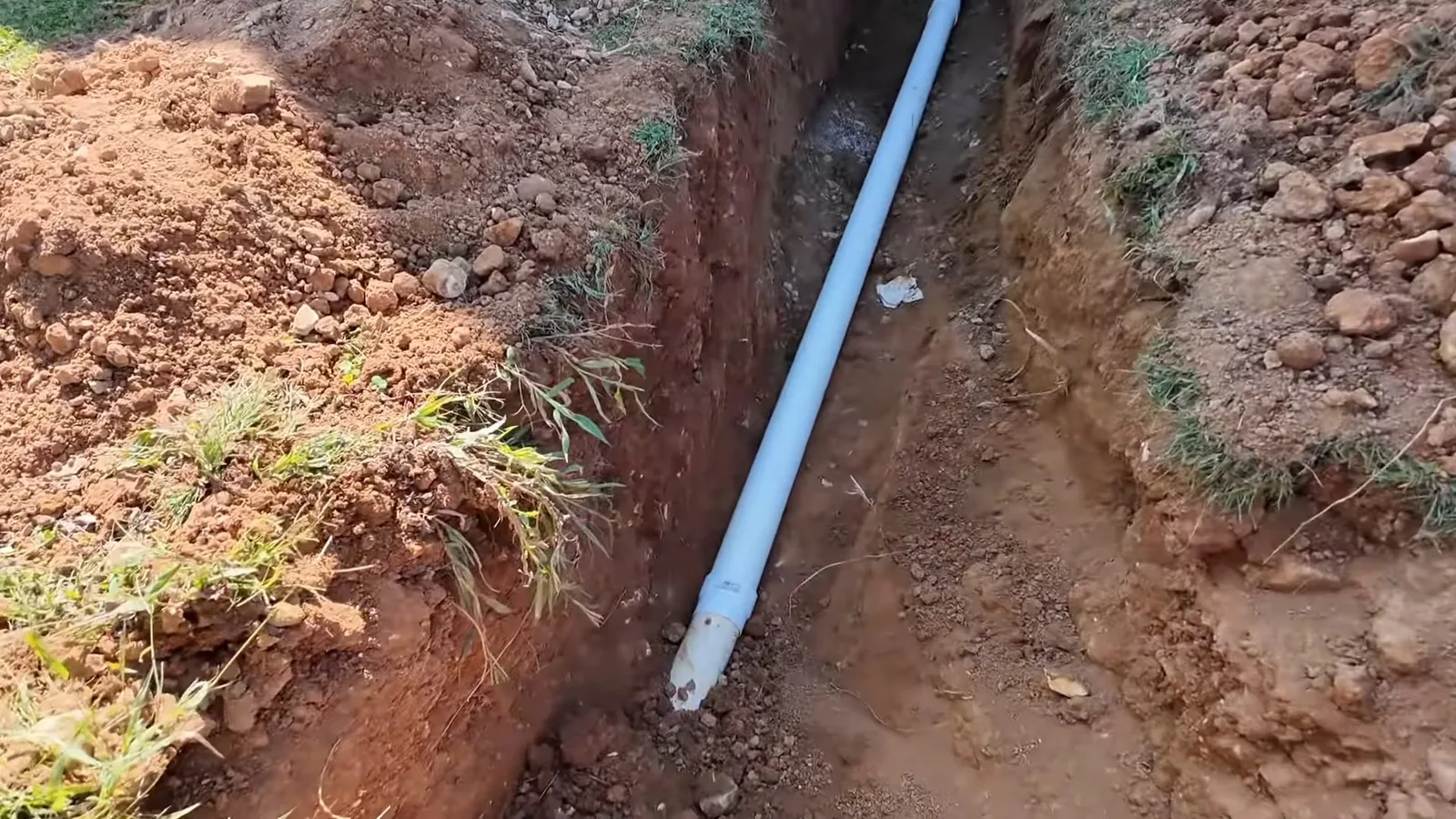
| Full replacement | An open trench along the line. | Which lines, trees and paving are in the way? |
Old pipe material matters here too. Cast iron, clay and fiber conduit all appear in older systems elsewhere, and each ages differently. The sources we found do not break down Azusa's laterals by material, so rely on the camera for yours. For cleaning that is not a repair, see clearing a blocked drain.
Permits, 811 and the dig
Sewer replacement and most digging jobs fall under city permitting. The Building Division, (626) 812-5234, can tell you which permits a given dig needs; digging in the public street involves the city's Public Works permits as well. Ask the plumber who applies and who books the inspections.
California law requires a call to 811 at least two working days, and not more than 14 calendar days, before digging, so buried utilities can be marked. A contractor should make that call, and you should ask for the ticket number before the trench is opened.
After the backup: cleanup and what to keep
Sewage is contaminated water. Porous materials such as carpet and drywall that it reached are usually removed, and hard surfaces are cleaned and dried. The plumber stops and repairs the line; drying and sanitizing belong to restoration. Keep photos, the camera video and the plumber's written finding together for an insurer.
A sewage smell that lingers after cleanup usually means material soaked into porous surfaces or a trap that has dried out; if it returns, say so, because it can also point to a cracked line or a vent problem.
The emergency side of a backup call is on the homepage. Anything that moves the final bill is covered in the cost guide.
Sewer backup questions
Should I get a sewer scope inspection?
If you are buying a house, have a recurring clog, or see slow drains in several fixtures, yes. A scope shows the pipe interior and gives you video. It does not guess; it shows roots, cracks, offsets and sagging. Ask for the footage and a written summary.
Who do I call for a sewer backup?
Call our dispatch line to send a plumber. If neighbors are affected or the lowest drain backs up with no plumbing work done, also call City Public Works at (626) 812-5254 on weekdays. After hours the city's FAQ lists Azusa Police at (626) 812-3200.
What are cast iron, clay and Orangeburg pipes?
They are older drain materials. Cast iron rusts and scales inside, clay cracks at joints, and Orangeburg is a bonded fiber pipe that can soften and collapse. Which, if any, is under your house is a question for the camera and the plumber, not for a general rule.
Is a sewer scope the same as a home inspection?
No. A home inspection looks at the building. A sewer scope sends a camera down the line to the street connection. A scope is the only way to see most of the pipe, which is why lenders and buyers ask for one on older homes.
Sewage backing up? Call now
Call the dispatch line any hour. It routes you to a plumber in our network who serves Azusa.
Call (626) 687-0217 Contact details