
Emergency Leak Detection in Azusa, CA: Find Out Where the Water Is Going
Your water bill jumped, a wall feels cool and damp, or the meter keeps turning when every tap is off. Water is going somewhere, and each day it soaks into drywall, flooring or the soil around the house.
This page shows how to confirm a leak yourself in a few minutes, how a plumber finds the source without opening walls at random, and who else to call when the trouble sits on the utility's side of the meter.
Call (626) 687-0217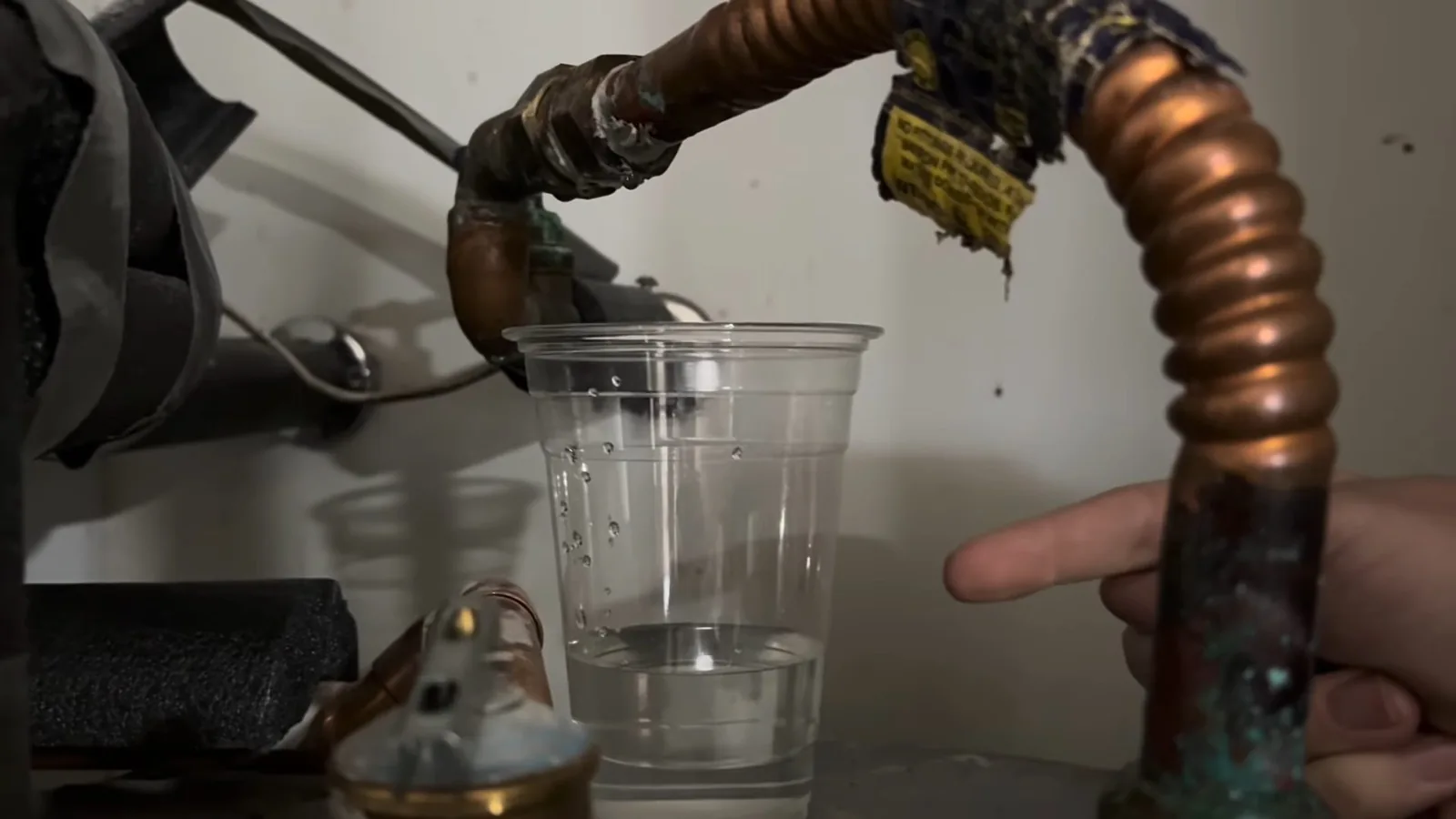
Start with the meter: is water really leaking?
The two-minute meter test
It tells you whether water is escaping. It cannot tell you where, so treat it as the first filter, not the diagnosis.
- Stop every use of water. Close taps, pause the dishwasher and washer, and switch off the ice maker and any irrigation timer.
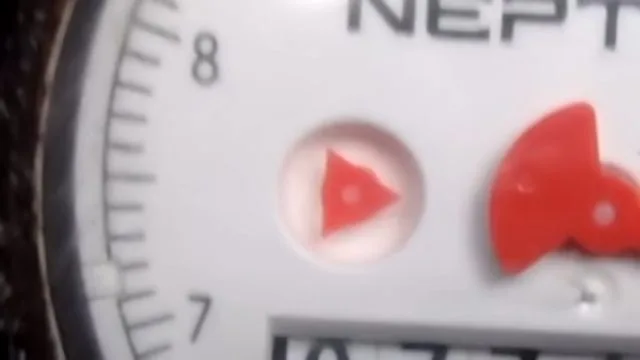
- Find the meter and read the small dial. Most meters have a triangle or star that spins when even a trickle passes. Open the lid carefully and watch it for two minutes.
- Note the numbers, wait half an hour, check again. A changed reading with nothing running means water is leaving the system.
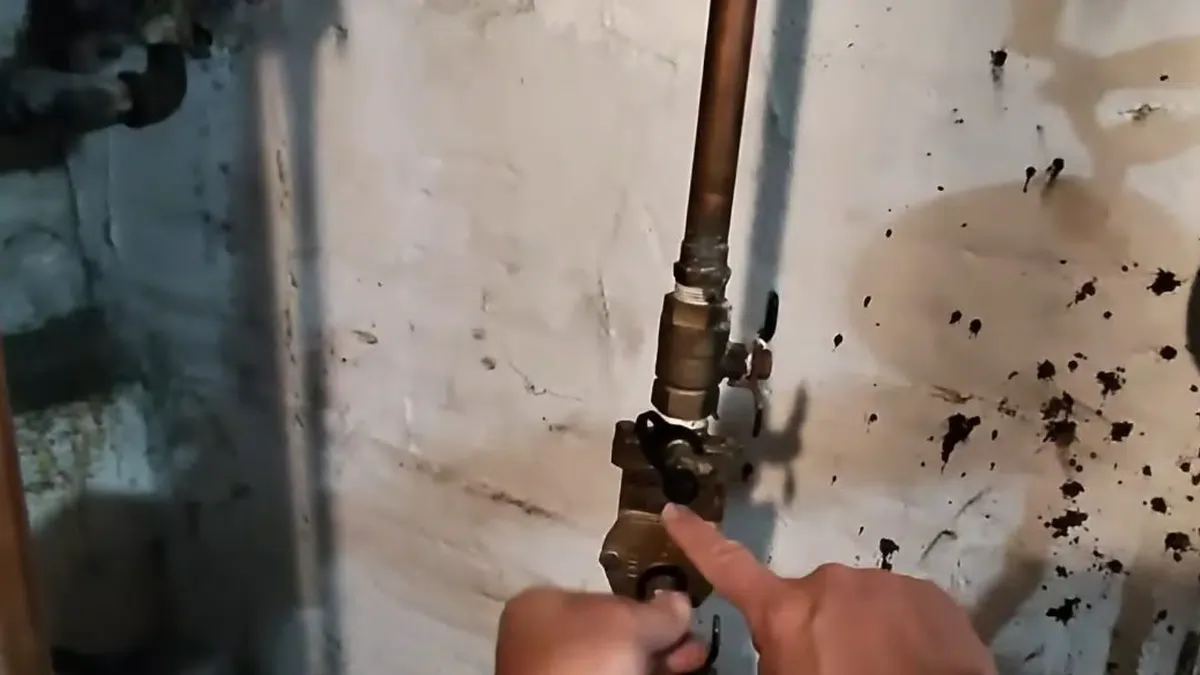
- Close the main valve at the house and look again. If the dial stops, the leak is past that valve, inside the house or on the pipe feeding it. If it keeps moving, the leak is between the meter and the valve.
Azusa Light & Water supplies the meter and the line up to it, and its office answers meter questions at (626) 812-5225. Everything downstream of the meter belongs to the property owner, which is why a moving dial after the valve is closed is worth a call to the dispatch line and a call to the utility.
Fixture, supply line, slab or yard: where the water is probably going
Where you see the sign tells you a lot about where to look. Use the table to decide which page and which kind of visit fits.
| What you notice | Usually the source | Next step |
|---|---|---|
| Toilet hisses or refills on its own | A worn flapper or fill valve | Fixture repair; see fixing a running toilet |
| Damp wall, meter still moving | A supply or drain line inside the wall | Detection visit, described below |
| Warm patch on the floor, sound of running water | A hot-water line under the slab | Read how slab leaks are confirmed |
| Soft ground or an extra-green strip in the lawn | A sprinkler line; the utility FAQ points to exactly this sign | Irrigation is a separate trade; a plumber can still check the house lines |
| Ceiling stain that appears only after rain | The roof or a vent flashing | A roofer, not a plumber |
| Ceiling stain that grows in dry weather | A supply or drain line above it | Detection visit; see drying and mold testing afterward |
What to ask for before anything is opened
Put these requests to the plumber before the visit and again before work starts. They keep the repair tied to evidence. If the home's lines are old, ask whether a plumbing inspection of pipe condition fits into the same visit, because a leak is sometimes the first symptom of worn pipe elsewhere.
- A written note of where the leak is and how it was located.
- Which walls, floors or ceilings must be opened, and who repairs the finish afterward.
- Whether more than one leak was found. Several leaks on old lines point to a bigger decision, covered under whole-house pipe replacement.
- Whether the repair needs a city permit; the Building Division's plan-review desk, (626) 812-5234, can answer for your address.
- Photos and meter readings you can hand to an insurance company.
- Whether a pipe condition check, a look at the age and state of the lines nearby, belongs in the same visit, since one found leak often says something about the rest.
Who else owns part of this problem
When to call now and when it can wait
A slow rise in the water bill, a faint damp spot or a toilet that refills now and then can wait for a scheduled visit. Waiting still has a cost, because slow leaks feed mold and warp flooring, so book it within days, not months. The after-hours side of the service sits on the homepage dispatch information; what affects the price is laid out on the cost page.
Leak detection questions homeowners ask
I think a pipe is leaking behind my garage wall. How do I confirm it?
Run the meter test with every fixture off. If the dial moves, close the main valve at the house and check again. A leak behind a garage wall is often a supply line to a water heater, laundry or hose bib, so check for dampness at the base of the wall and at the bottom of the heater. A plumber can pressure-test that one line and listen along the wall before any cutting.
Can a leak under the house be found without digging?
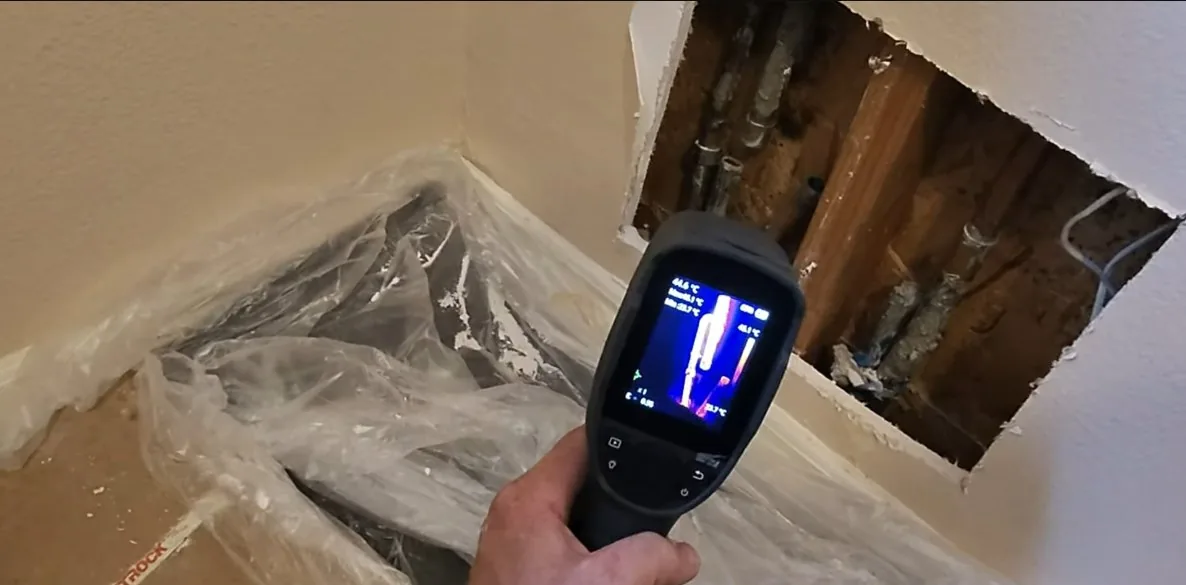
Often yes. Whether the house has a crawl space or sits on a slab, the order is the same: the meter test, then pressure testing to find the failing line, then listening or thermal imaging to place it. Digging or opening a floor comes only after the plumber has marked a location. The sources we found do not say which foundation type is most common in Azusa, so ask the plumber what yours is.
I have an attic leak. Is that a plumber's job?
It depends on when the stain shows up. A stain that appears only after rain points to the roof. A stain that grows in dry weather points to a supply line, a drain or the water heater's relief line in the attic. Take a photo, mark the edge of the stain with a pencil and check it again the next day. If it grew without rain, call a plumber.
My faucets and toilet drip. Is that the same as a hidden leak?
Fixture drips are visible leaks, and they still waste water and move the meter. They are repaired at the fixture and usually need a new cartridge, washer or flapper. A hidden leak keeps the meter moving after every fixture is checked and dry. If the dial still turns once the drips are fixed, book a detection visit.
A leak you cannot find? Call now
Call the dispatch line any hour. It routes you to a plumber in our network who serves Azusa.
Call (626) 687-0217 Contact details